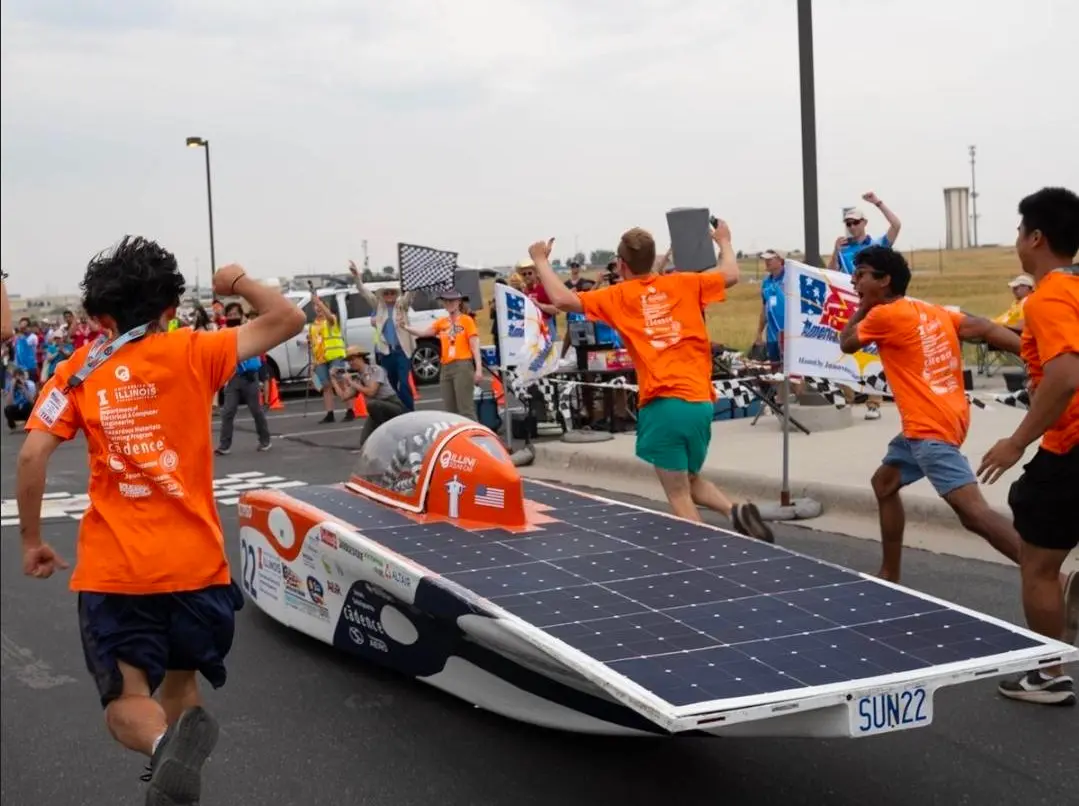
Illini Solar Car Team - 2024-2025
Illini Solar Car is an automotive team that develops a car from scratch bi-annually and competes in the American Solar Challenge and the World Solar Challenge. The goal is to make it from start to destination with the least amount of energy usage, powered exclusively by the solar panels installed on the vehicle.
This page details my personal contributions to the team as a member working on the Telemetry system.
The Illini Solar Car team operates with a mission to design, build, and race solar-powered vehicles. Bi-annually, the team takes on the challenge of creating a solar car from scratch, based on lessons learned from the previous design and other team's efforts. With each car, we take part in events such as the American Solar Challenge and the World Solar Challenge. These competitions test not only the vehicle's efficiency and design but also the team's ability to innovate under tight constraints.
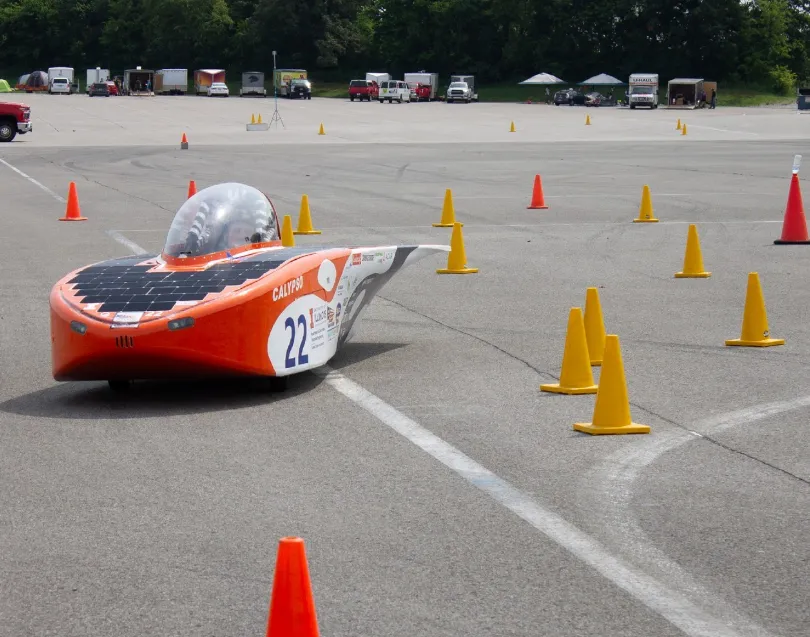
I joined the team under with the third major solar car build-- "Calypso". Featuring a monocoque carbon chassis and almost 6m^2 of panel area, it was a machine designed for the long haul. With an abundance of sensors connected over a common data bus, my team had lots of quesitons to answer and problems to solve.
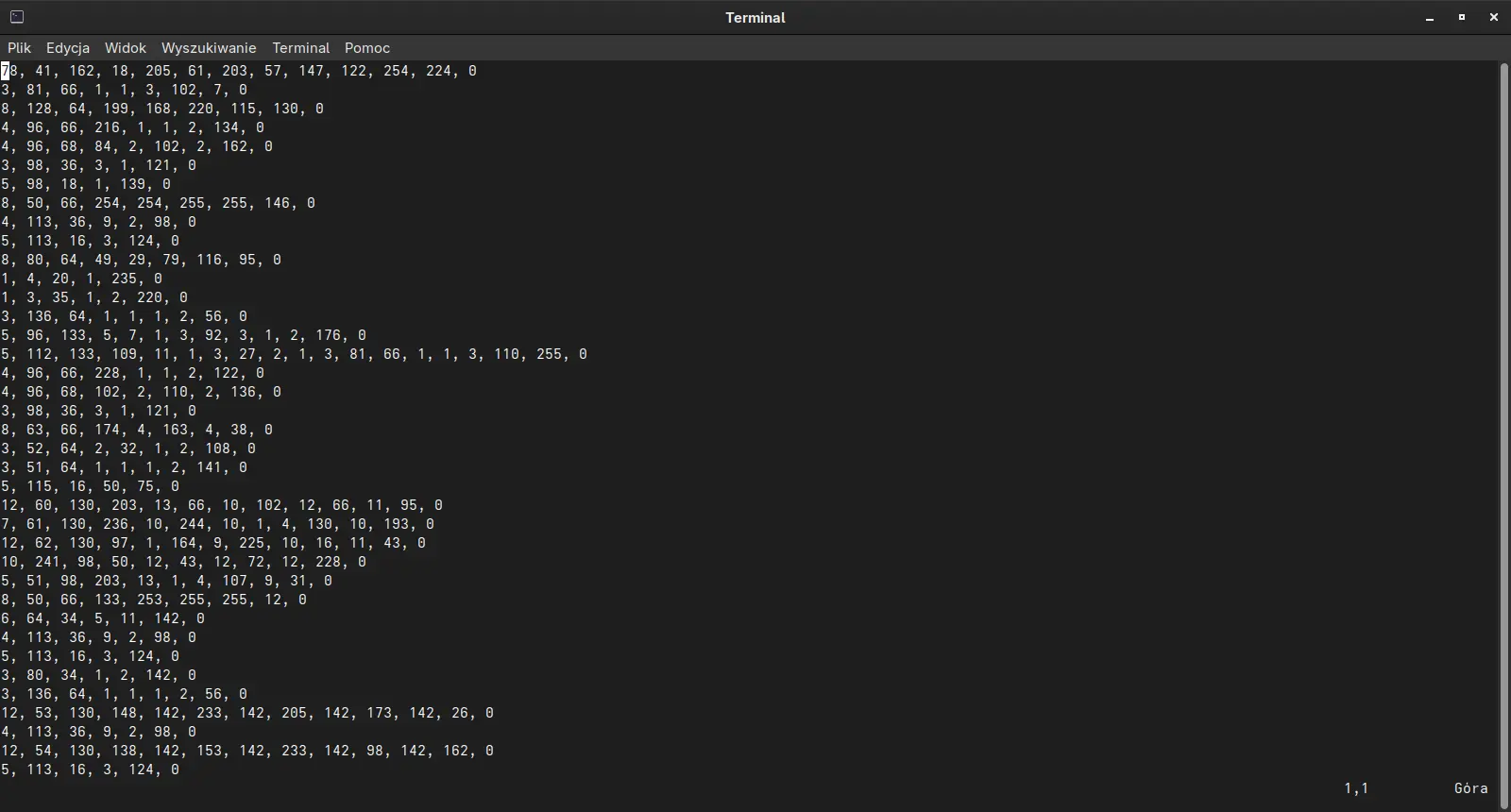
My role on this team was in the Telemetry section, specifically working on the Telemetry app. My specific contribution was understanding the installation process, and optimizing it for field-deployment. The telemetry system is critical for real-time data collection and monitoring during races, but it had always been plagued by technical debt and a clunky installation process.
Through working with this app, I gained hands-on experience with Node.JS, Flask-server, python, and BASH. These technologies form the backbone of our data collection and transmission apps, enabling us to gather crucial race data efficiently.
Aside from programming skills, I learned more about the car and the integration between the telemetry system and the digital communications/control network of the car. I learned data visualization and data analysis by reviewing the logs coming into the telemetry system from past race events ("test data" visualizations).
Working with the app to identify faults, errors, and track energy usage provided valuable insights into vehicle performance. This analytical approach helped our team optimize race strategy and identify energy savings for future race scenarios.
Optimizing the telemetry app for field deployment was crucial for our success. This involved ensuring the system could be installed quickly and reliably, and ensure conistent performance across multiple platforms.
I focused on creating platform-agnostic installation scripts and an automated deployment processes to minimize setup time and reduce potential human error during setup, while simultaneously minimizing the technical debt affecting installation and activation of the telemetry server.
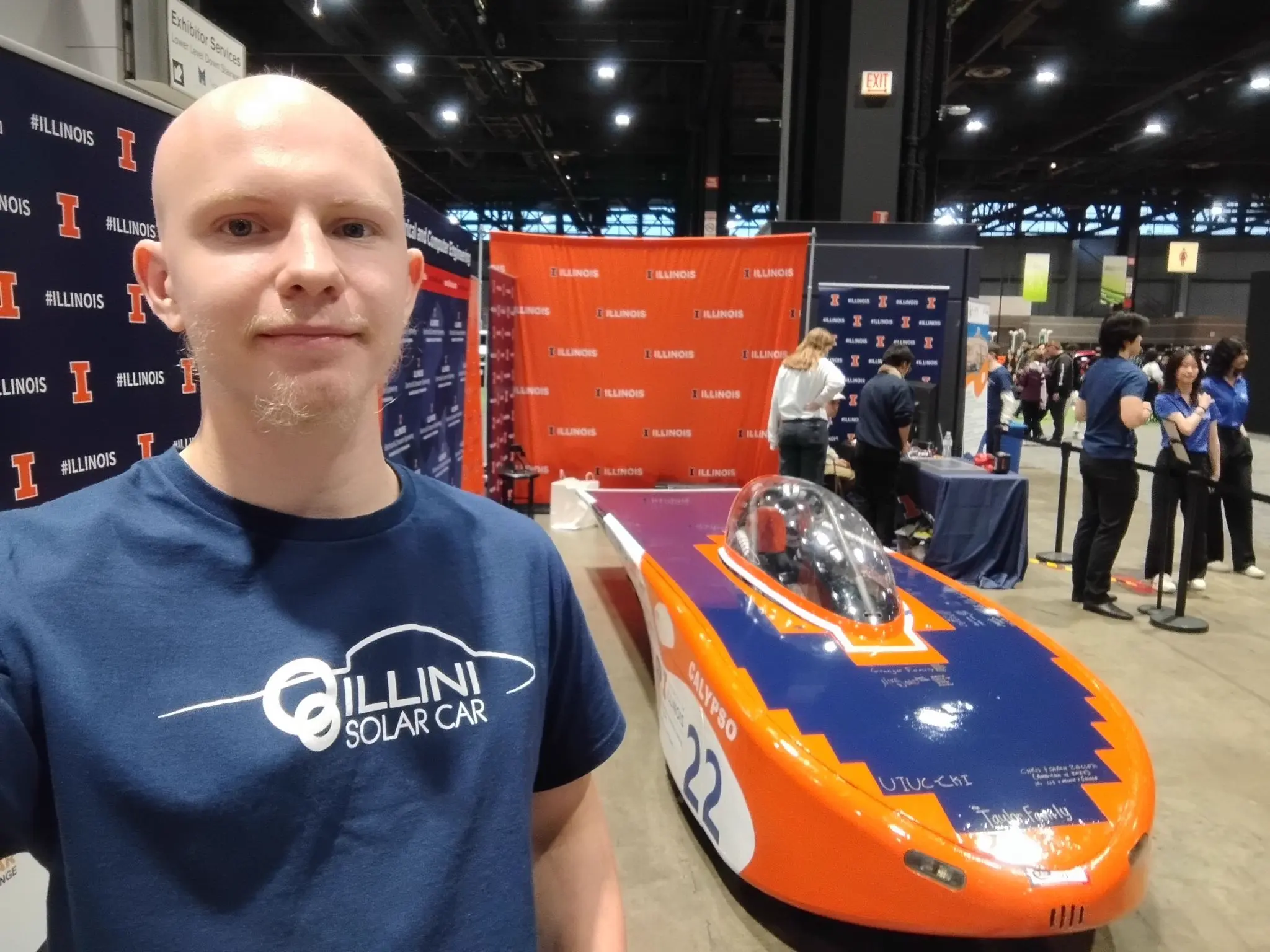
I was one of several representatives for the Illini Solar Car (ISC) team at the 2025 Chicago Auto Show. This was an excellent opportunity to showcase our vehicle, share our technical journey, and engage with industry professionals, potential sponsors, and fellow enthusiasts.
Demonstrating our solar car and explaining our technical approach helped raise awareness about sustainable transportation and the innovative work being done by student engineering teams.
Additional skills learned while in the club included corporate structure and understanding the chain of command, essential for effective teamwork in large engineering projects. We also developed expertise in workflows, project timelines, and project management.
Proper planning and execution methodologies were critical to meeting our bi-annual development cycle deadlines. These organizational skills ensured that all team members could contribute effectively and that project milestones were consistently achieved.
Through the project dealing with installation scripts, I learned to manage technical debt and identify/solve existing technical debt issues within complex projects, namely with resolving archaic code. This involved refactoring code, improving documentation, and ensuring our systems remained maintainable as the project evolved.
Managing technical debt was crucial for maintaining the longevity and reliability of our telemetry systems, especially given the changing team membership and evolving competition requirements each year. Most noticeably, migrating from a split Node.js/Flask server configuration to a pure python setup made the project more maintainable and approachable for onboarding of newcomers.